
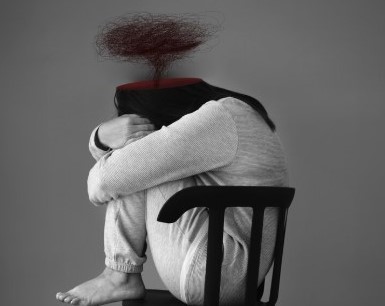
Everyone feels sad or unmotivated at times. Depression is different from passing sadness: symptoms last for at least two weeks, for most of the day, and clearly affect work, studies, and relationships. It is not weakness or laziness; it is a treatable health condition.
Common signs
- Feeling persistently low, empty, or hopeless
- Loss of interest in things that used to be enjoyable
- Marked changes in sleep and appetite
- Fatigue, loss of energy, slowed movements
- Difficulty concentrating and making decisions
- Feelings of worthlessness or excessive guilt
- Thoughts of death or self-harm
Having some of these signs does not in itself mean a diagnosis of depression. A diagnosis is made by a psychiatrist after a detailed assessment.
Why does it occur?
Depression has no single cause. Biological vulnerability, prolonged stress, losses, loneliness, physical illness, and some medications can all play a part. This is why assessment is individual.
Treatment approaches
For mild and moderate depression, psychotherapy alone can be effective. Cognitive behavioural therapy, behavioural activation, and interpersonal therapy are the approaches best supported by research. When symptoms are severe or long-lasting, a psychiatrist may recommend medication; in many cases a combination of medication and psychotherapy works better. Regular sleep, physical activity, and social contact support treatment but may not be enough on their own.
If someone close to you is depressed
Advice such as "pull yourself together" does not help. Listening without judgement, keeping them company in small daily tasks, and encouraging them to see a professional are more supportive.
In an emergency
If you have thoughts of harming yourself, do not wait: call your local emergency number (112 in Türkiye) or go to the nearest emergency department.
This article is for general information only and is not a substitute for diagnosis, treatment, or individual counseling.